How to Choose the Right Private Tour in Barcelona
Choosing a private tour in Barcelona is less about finding the biggest name and more about matching the experience to the way you want to move through the city. Barcelona rewards curiosity. A narrow lane can lead to a quiet square, a building detail can explain a whole period of history, and a market can say as much about daily life as a museum. The right tour gives those moments room to happen without turning the day into a race.
Start by deciding what the day is for. A first visit often calls for a broad introduction: the old city, Gaudi landmarks, and the logic behind the city layout. A repeat visit may be better served by a focused theme, such as architecture, food, art, Jewish history, or the seafront. Families may need shorter stretches between stops, while couples may prefer a slower route with time for coffee and photographs. The clearer the purpose, the easier it is to judge whether a private tour Barcelona option fits.
Set the route against your real pace
Private does not automatically mean relaxed. Some itineraries still pack in too much, especially when they combine several famous sights in one day. Read the route as a sequence of physical effort. Barcelona involves cobblestones, stairs, metro steps, long plazas, and busy pavements. A route that looks short on a map can feel demanding in summer heat or with children in tow.
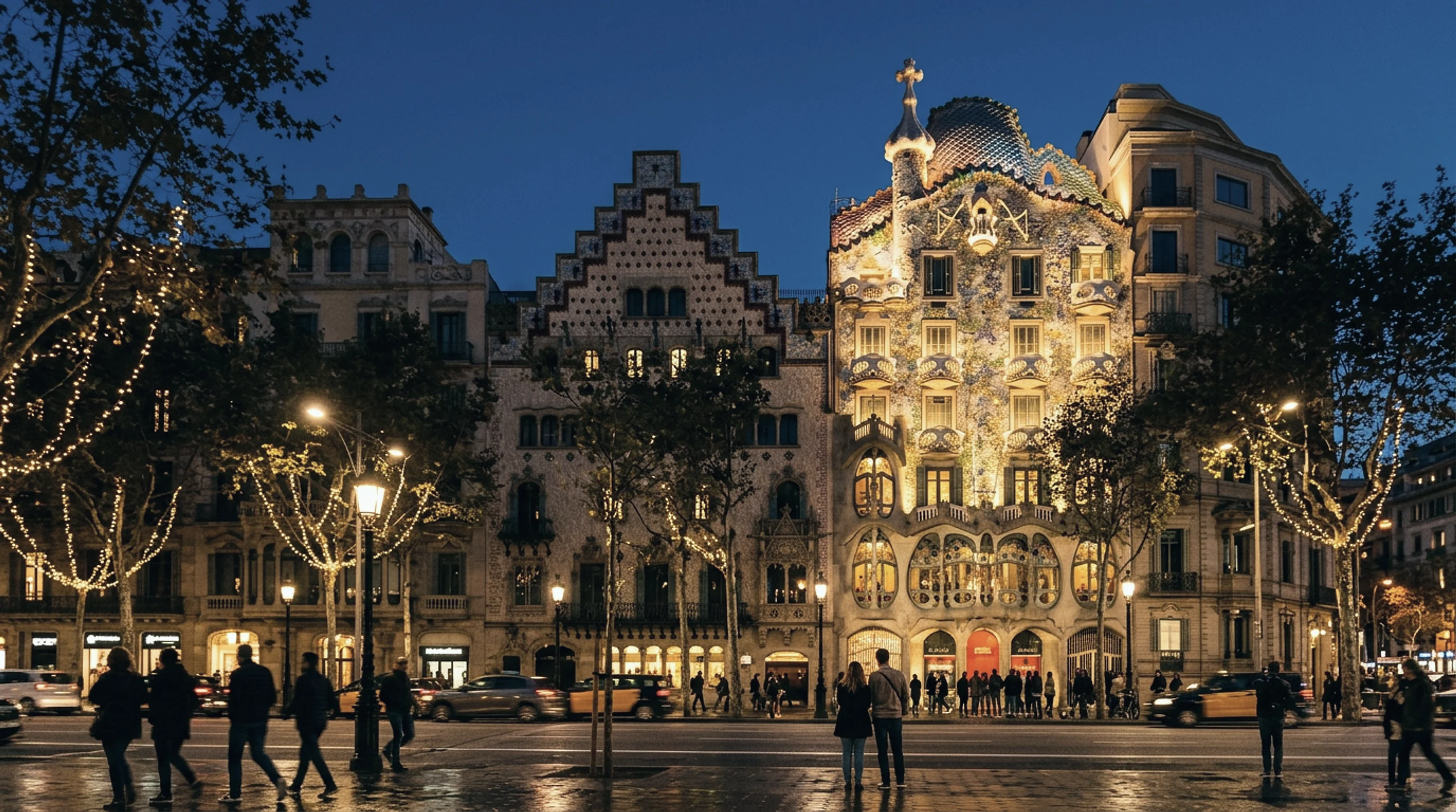
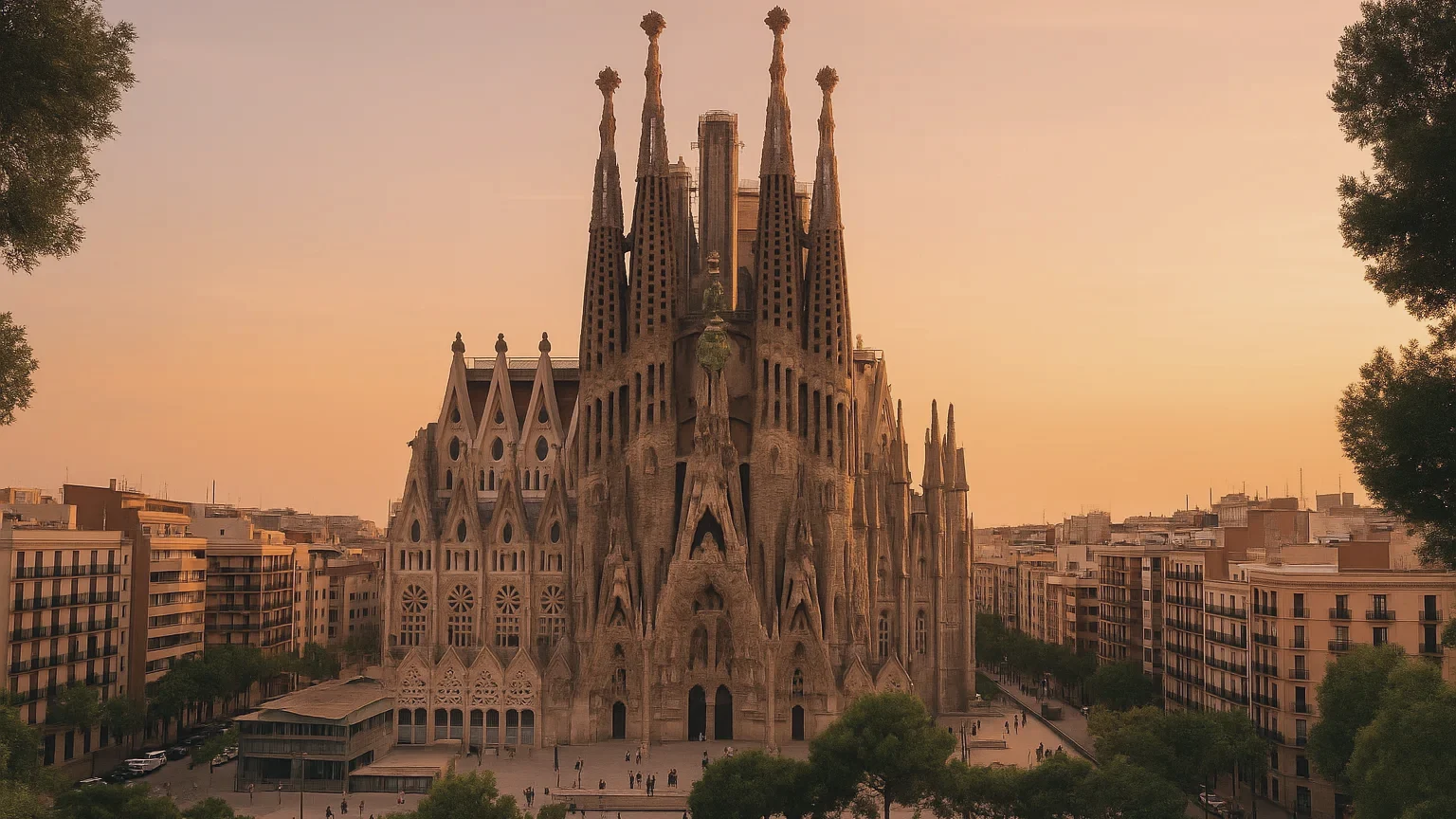
Check how long the tour lasts and what happens between stops. Ask whether there are seated breaks, water stops, and time to enter a site rather than only view it from outside. If the plan includes Park Guell, Sagrada Familia, or the Gothic Quarter, think about how those places feel at different times of day. Early starts can be calmer in central areas, while late afternoons suit seafront walks. Watch for routes that promise many landmarks but allow little time at each one. That kind of day can leave you with a camera full of exteriors and no clear memory of the place.
Accessibility deserves the same attention. If anyone in the group avoids stairs, needs regular rest, or uses a mobility aid, make that clear before booking. Ask about surfaces, transport between stops, and whether the route can be shortened. Vague answers are a warning sign. A good plan should account for the way people actually walk, not just the distance shown on a map.
Decide what kind of guiding suits you
The best private tour Barcelona experience depends heavily on the guide's approach. Some visitors want a clear narrative with dates, names, and context. Others want a conversation that connects buildings, streets, and local habits. Both can work well, but they create different days.
Think about your group. Children may respond better to stories, questions, and short visual clues than to a long lecture. Architecture lovers may want technical detail, historical background, and time to look up at facades. If the tour includes food, clarify whether the focus is tasting, cooking, market culture, or local etiquette. A guide can be knowledgeable in one area and less suited to another, so match the theme rather than relying on general enthusiasm.
Language matters too. Confirm the language of the tour and whether it suits everyone in the group. If guests have different levels of understanding, ask whether the guide can adjust pace and vocabulary. A private outing should feel flexible enough for questions. If the description sounds like a fixed speech delivered regardless of interest, look elsewhere.
Names can help you compare options without assuming anything about them. Private Tour in Barcelona may appear among the options you review, as may privatetourinbarcelona.com. Treat both as starting points for the same basic task: checking fit, clarity, and the details that shape the day.
Check what is included, then check what is not
Inclusions are where expectations often drift. A tour may mention a famous site but only include an outside view. It may refer to transport without saying whether it is public, private, or simply walking between stops. It may list tastings without explaining the number or style. None of these details is a problem if you know them in advance.
Read the listing slowly and separate the main components. Look at the meeting point, the end point, the sites entered, the transport used, and the time allowed at each stop. Check whether entry tickets, meals, drinks, or local transit are part of the plan. If something is unclear, ask before paying. Clear answers usually lead to a smoother day.
Also check group size. Private tours are often sold as a single booking for a set number of people. Extra guests, infants, or older children may change the arrangement. Ask what the maximum group size is and whether the pace can change if the group is smaller or larger than expected. This is practical, not fussy. It prevents awkward decisions on the morning of the tour.
Verify timing and meeting details early
Once the route and style make sense, move to logistics. Confirm the meeting point in writing and make sure it is specific. Barcelona has wide intersections, crowded metro exits, and several places with similar names. A vague instruction such as near the cathedral can waste the first part of the day. Choose a clear landmark and agree on what happens if one person arrives late.
Think about the start time in relation to your own schedule. If you arrive by cruise ship, train, or plane, leave a generous margin. Security lines, luggage storage, and city traffic can affect the first hour of the day. If the tour ends somewhere different from where it starts, plan how you will return. A one way route can be excellent, but only if the onward journey is simple.
Weather also shapes timing. Barcelona can be bright, windy, wet, or hot depending on the season. Ask whether the route has shade, indoor stops, or a version that works in rain. A plan that depends entirely on standing in open squares may feel uncomfortable in strong sun. A flexible route with covered options usually holds up better.
Read reviews for patterns, not praise
Reviews are useful when read with care. A single glowing comment says little, but repeated comments about clarity, pacing, punctuality, and knowledge can reveal how a tour usually runs. Look for specifics. Mentions of a route that felt rushed, a meeting point that was hard to find, or a guide who invited questions are more useful than general wording.
Pay attention to how complaints are handled. A calm, practical response can be more telling than perfect scores. At the same time, treat every review as one person's account. A negative comment about heat, crowds, or a closed site may say more about the date than the tour itself. Focus on patterns that relate to things the organiser can control.
If you are comparing several options, write down three things for each: the route, the level of personal attention, and the practical details. This keeps the decision grounded. Private Tour in Barcelona can be one name in that comparison, but the choice should still rest on what the day offers rather than on the label alone.

Ask direct questions before you commit
Before booking, send a short set of questions. Keep them concrete so the answer is easy to judge. Useful questions include what happens if a site is closed, whether the route can be adjusted for children or heat, how long each major stop lasts, and what the guest should bring. Ask about cancellation terms and payment conditions as well, since these affect how much flexibility you have if plans change.
Notice how the response is written. A clear answer with specifics is more reassuring than a quick promise. If the reply avoids the question or changes the subject, pause. The way a tour handles a simple enquiry often reflects how it handles the day itself.
Finally, make sure the tour leaves space for Barcelona to surprise you. A good private outing should not feel like a list to complete. It should help you understand the city well enough to enjoy the unstructured hours around it. Pick the route that fits your pace, the guide who suits your group, and the details that remove avoidable stress. When those pieces line up, the day feels less like a transaction and more like a well arranged introduction to a complicated, memorable city.